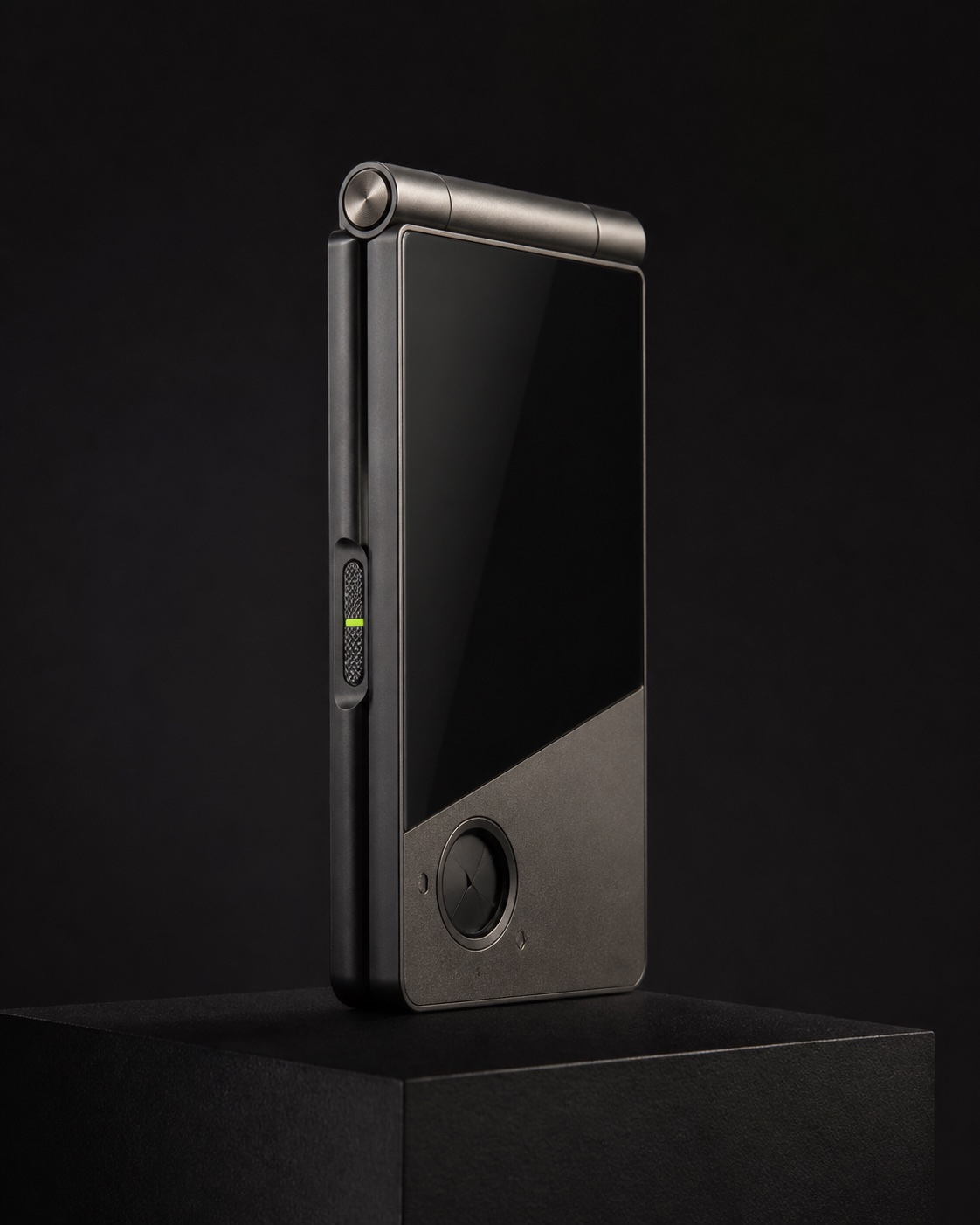
Intelligence should approach the human.
智能应当靠近人。
Bring capability closer to the person, the place and the moment where context is formed.
The future should be plural.
未来不应只有一种标准答案。
We design from the relationship outward: who holds authority, where intelligence runs, when an interface should appear and what kind of life the object belongs to.
我们从人与智能的关系出发:谁拥有决定权,智能在哪里运行,界面何时出现,以及物件究竟属于怎样的生活。
Bring capability closer to the person, the place and the moment where context is formed.
A useful system makes complexity recede. It does not turn every possibility into another menu.
Preparation can be quiet. Consequential action should preserve visible permission and human authority.
Where data lives, how memory persists and when intelligence reaches outward are product decisions, not footnotes.
Objects gain meaning through rituals, environments, materials and individual expression—not only market segments.
Many forms of intelligence should support many ways of thinking, making, caring and living.
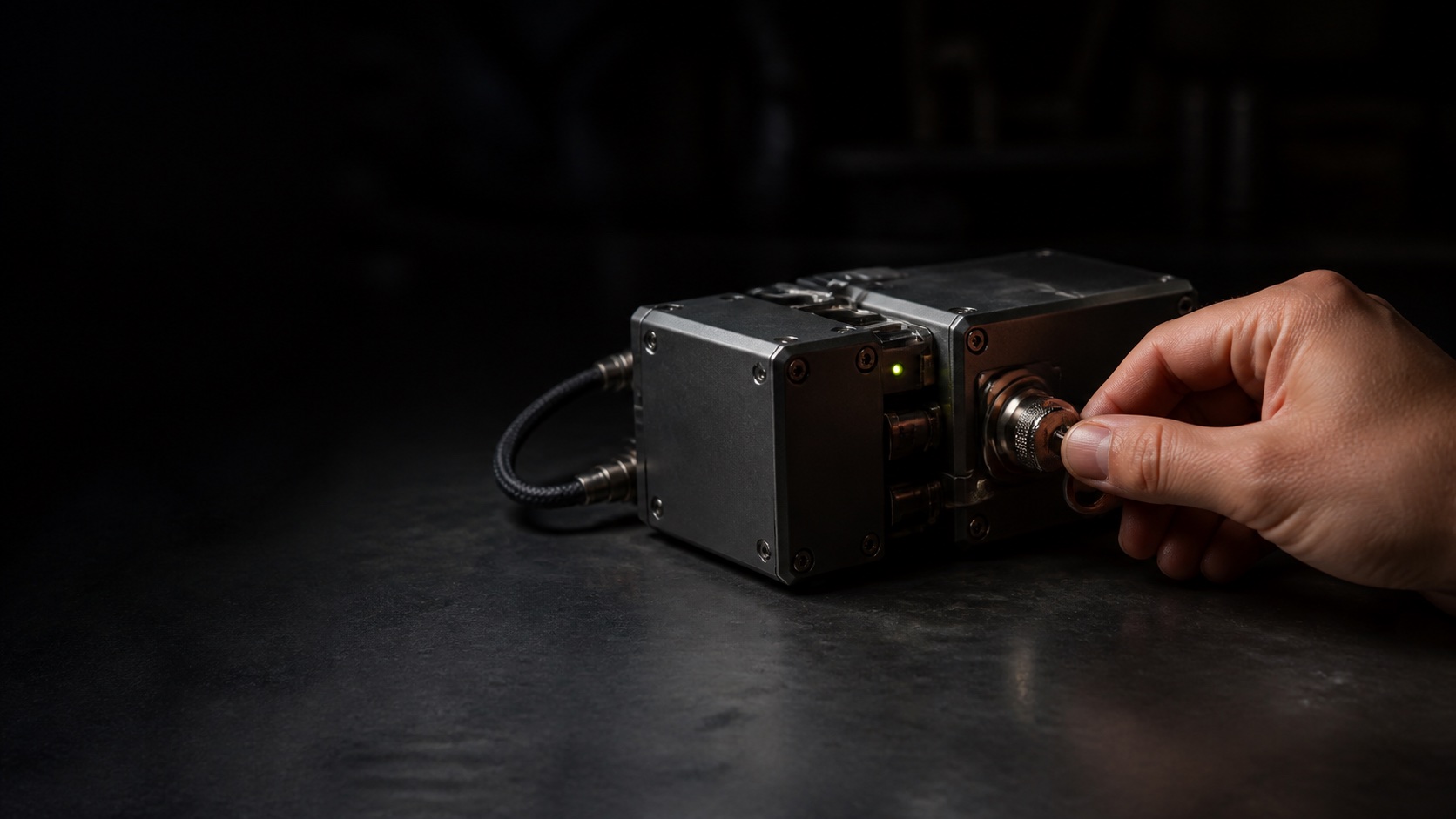
Autonomy without agency is only automation.自主能力若不归属于人,就只是自动化。
Between human intention and machine action; local privacy and distributed intelligence; autonomy and human authority; universal capability and individual expression.
人的意图与机器的行动;本地隐私与分布式智能;自主执行与人类权力;通用能力与个体表达。
Countercurrent exists to investigate this relationship before it becomes obvious.
Countercurrent 的存在,是为了在这一关系成为共识之前,先行研究它。